Introduction: Understanding the ACL and Its Role
The anterior cruciate ligament, or ACL, is a strong band of tissue in your knee. It connects your thigh bone to your shin bone. Because the ACL helps keep your knee stable, injuries to this ligament can cause pain and weakness. For many people, ACL surgery is needed to repair or replace a torn ligament. This blog will explain what to expect from ACL surgery, recovery, and how to get the best results.
Common Reasons for ACL Surgery
Often, ACL injuries happen during sports or activities that involve sudden stops or changes in direction. For example, soccer, basketball, and skiing can put stress on the knee. While some people can heal with rest and therapy, others need ACL reconstruction surgery. Here are common reasons for ACL surgery:
Symptoms and Diagnosis Leading to Surgery
After an ACL injury, you may notice several symptoms. For instance, your knee may swell quickly, feel unstable, or make a popping sound. Sometimes, it is hard to walk or bend your knee. Because these signs can be confusing, doctors use exams and imaging tests to confirm the injury. Usually, an MRI scan helps show the damage. If your knee remains weak or unstable, your doctor may suggest ACL surgery.
Overview of the ACL Surgery Procedure
ACL reconstruction is the most common surgery for a torn ACL. During this procedure, the surgeon removes the damaged ligament and replaces it with a new one. This new ligament, called a graft, often comes from your own body or a donor. The surgery is usually done with small cuts and a camera, which helps reduce pain and speed up healing. Most people go home the same day.
What to Expect Before, During, and After Surgery
Before Surgery
Before your ACL surgery, your doctor will explain the steps and answer your questions. You may need to stop certain medicines and avoid food or drink for a few hours. Because preparation is important, you might also meet with a physical therapist to learn exercises for after surgery.
During Surgery
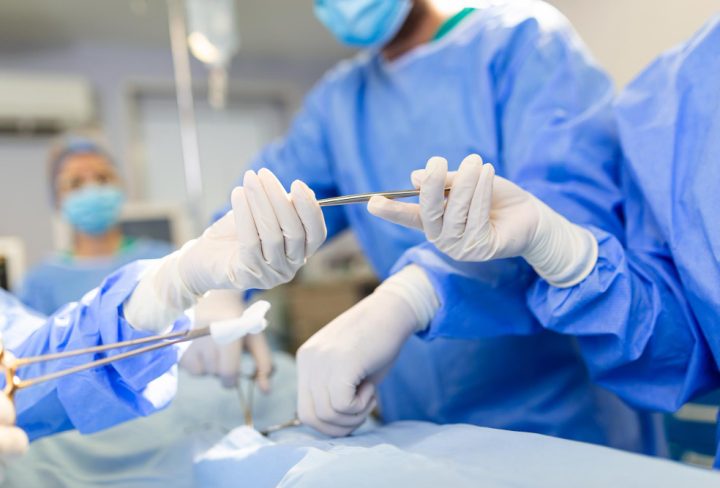
During the procedure, you will receive anesthesia to keep you comfortable. The surgeon will use special tools to remove the torn ligament and place the new graft. Usually, the surgery takes about one to two hours.
After Surgery
After surgery, you will rest in a recovery area. Nurses will check your knee and help manage pain. Most people can go home the same day, but you will need someone to drive you. Because swelling is common, you may use ice packs and keep your leg raised.
Recovery Timeline and Rehabilitation Tips
Recovery after ACL surgery takes time and effort. While everyone heals at a different pace, here is a general timeline:
For a smooth recovery, follow these tips:
Potential Risks and Complications
Like any surgery, ACL reconstruction has some risks. However, most people recover well. Possible complications include:
If you notice redness, fever, or severe pain, contact your doctor right away. Early treatment helps prevent serious problems.
Prevention of ACL Injuries
Although not all ACL injuries can be prevented, you can lower your risk. For example, regular exercise helps strengthen your leg muscles. Here are some tips to protect your knees:
Lifestyle Guidance for Post-Surgery Care
After ACL surgery, caring for your knee is important. For instance, avoid high-impact activities until your doctor says it is safe. Instead, choose gentle exercises like swimming or cycling. Because mental health matters too, stay connected with friends and family. If you feel worried or frustrated, talk to your care team. Over time, you will regain strength and confidence.
Conclusion
ACL surgery can help restore knee stability and allow you to return to an active life. However, recovery takes time and effort. By following your doctor’s advice and staying committed to rehabilitation, you can achieve the best results. Consult an orthopedic specialist for personalized advice on ACL surgery and recovery.